
The course assignment is about different design principles. Part of my assignment is to research them.
- Figure/Ground: What is in the foreground and what is in the background?
- Continuity: We follow a perceived line despite a break in that line.
- Closure: Viewers can fill in the gaps to see the full picture.
- Proximity: We tie objects that are near each other together.
- Similarity: We link similar elements together.
- Symmetry: Elements are identical on both sides of an axis.
- Common fate: Elements that point in the same direction are seen to be related.
- Prägnanz: We tend to reorganise complex shapes into simpler shapes.
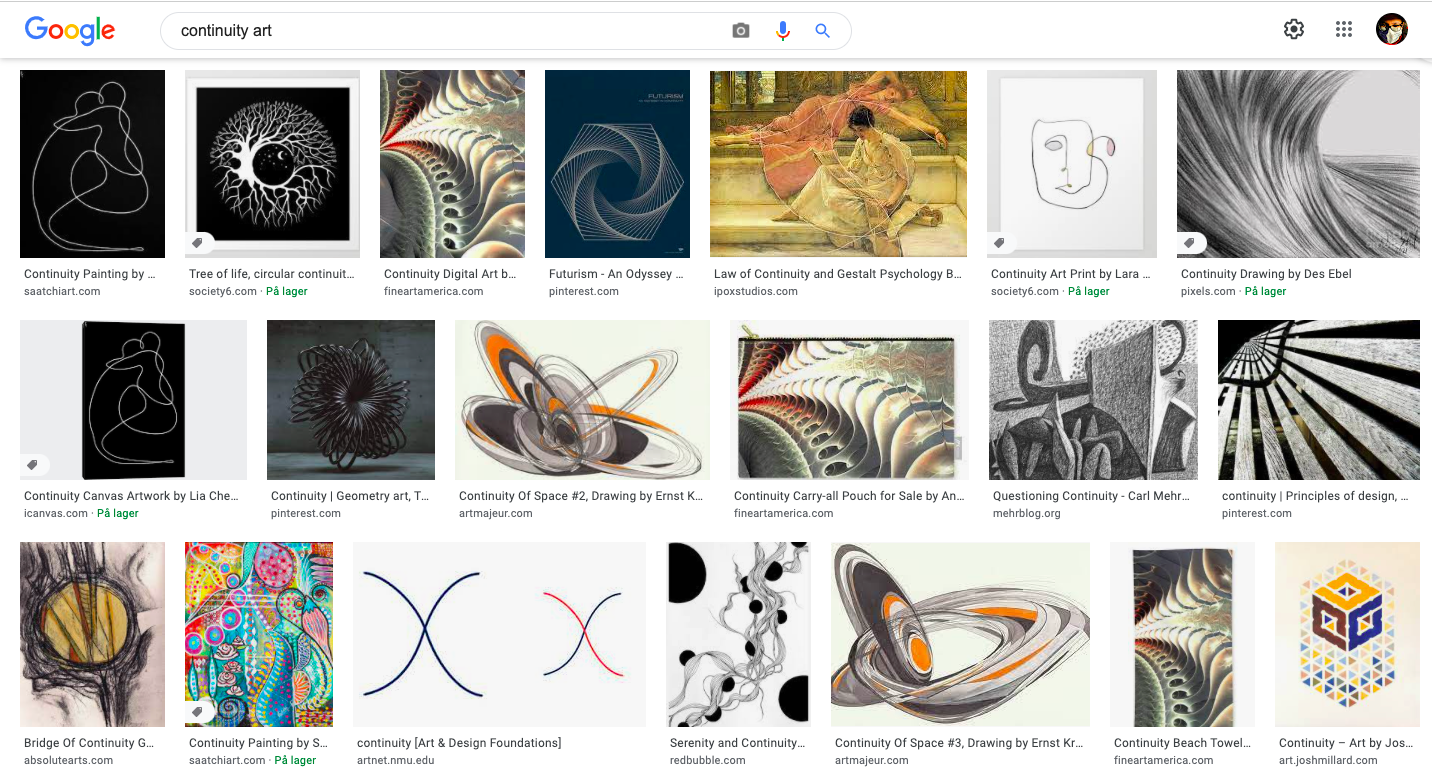

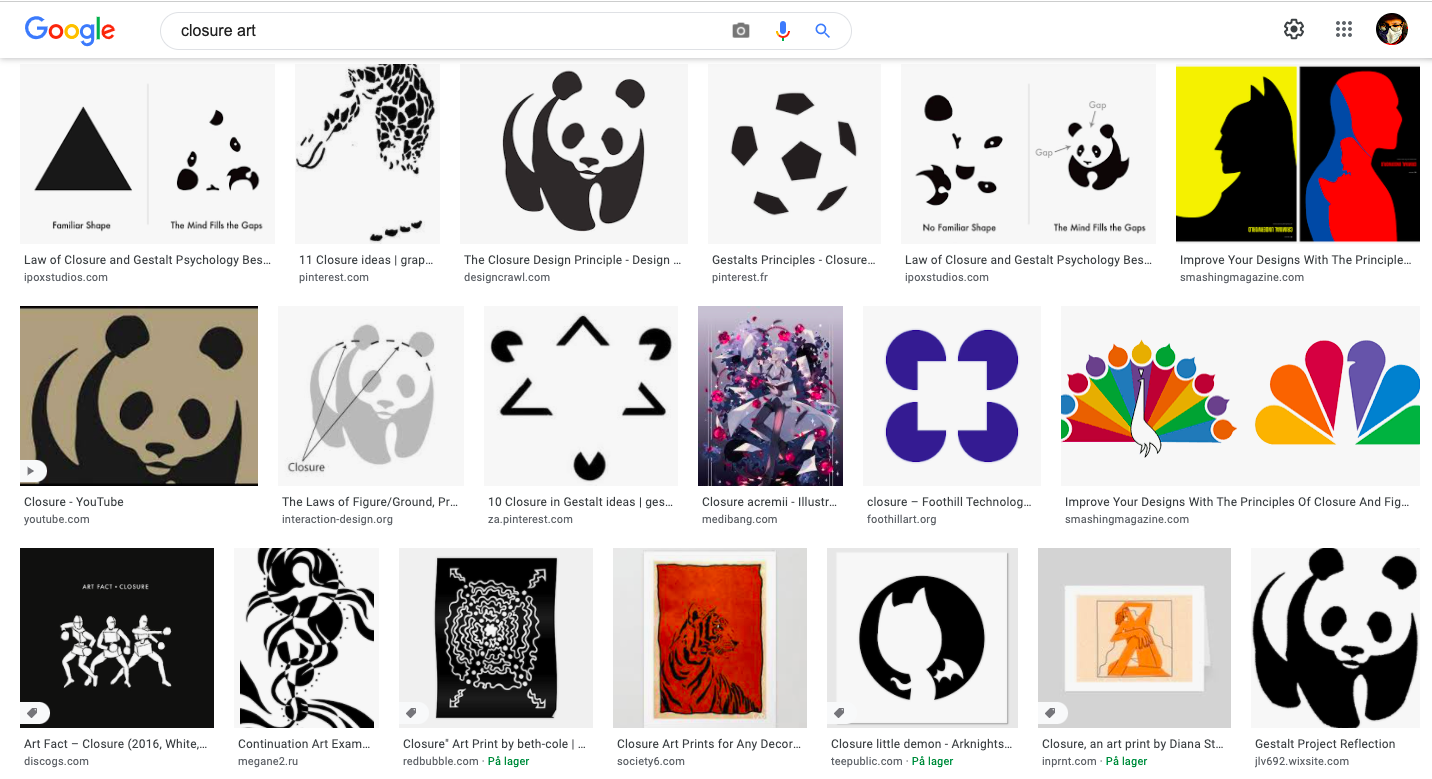
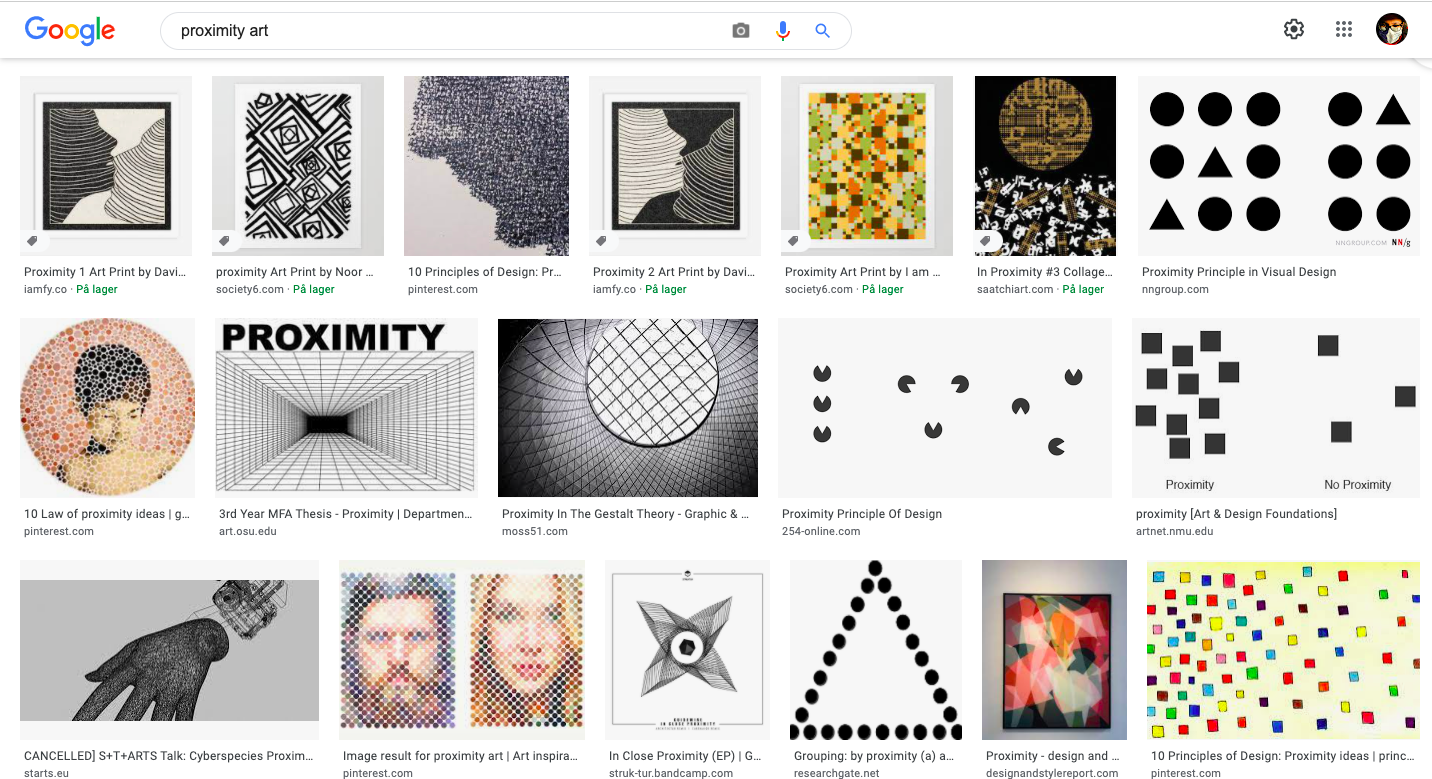
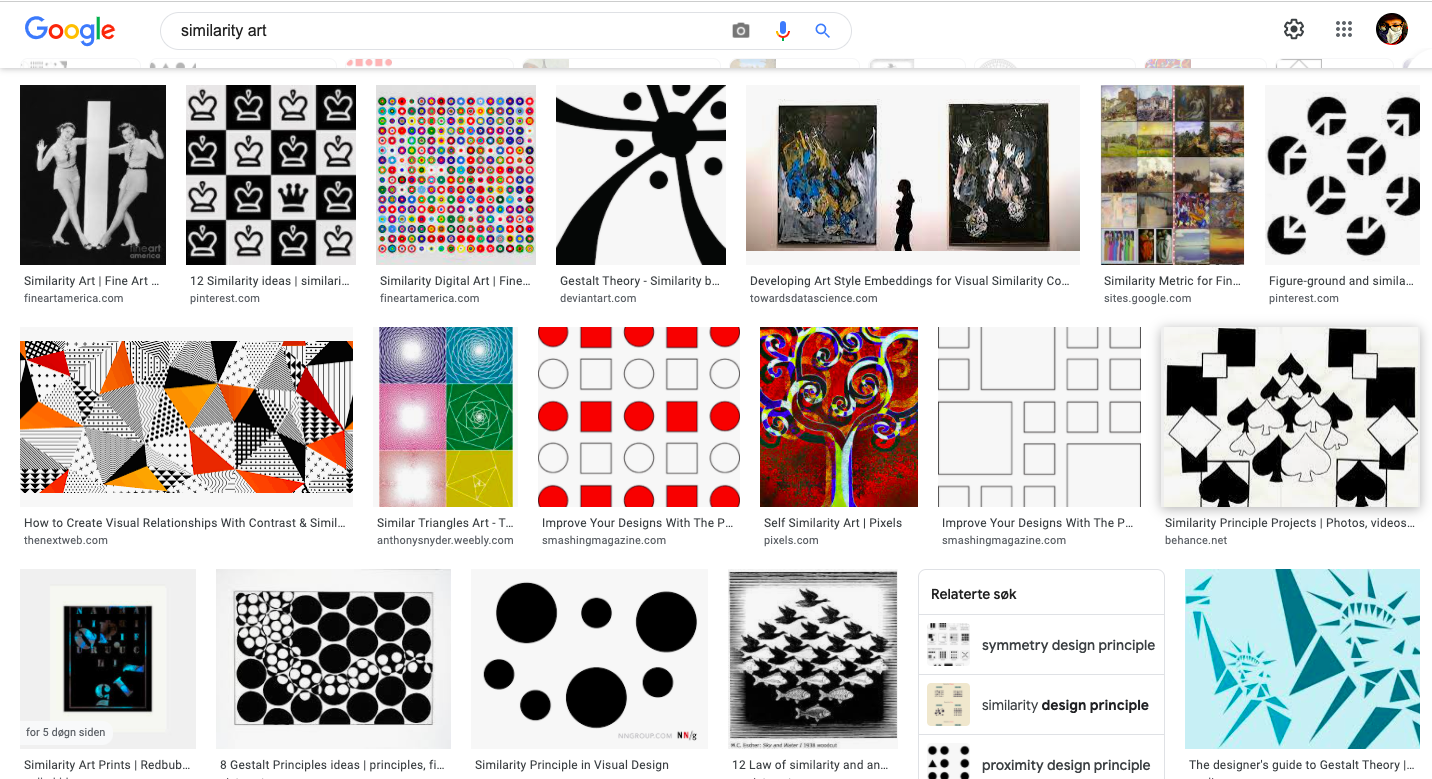
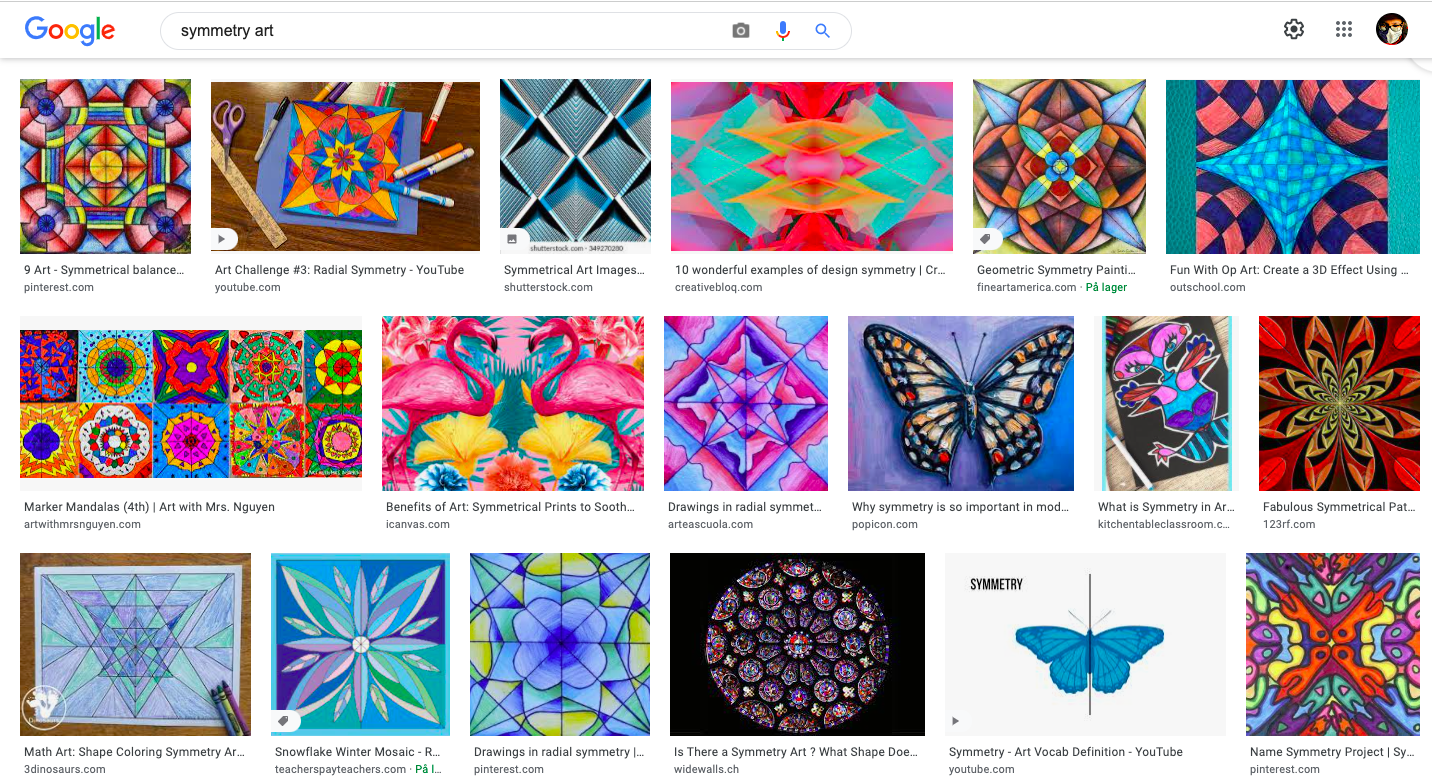
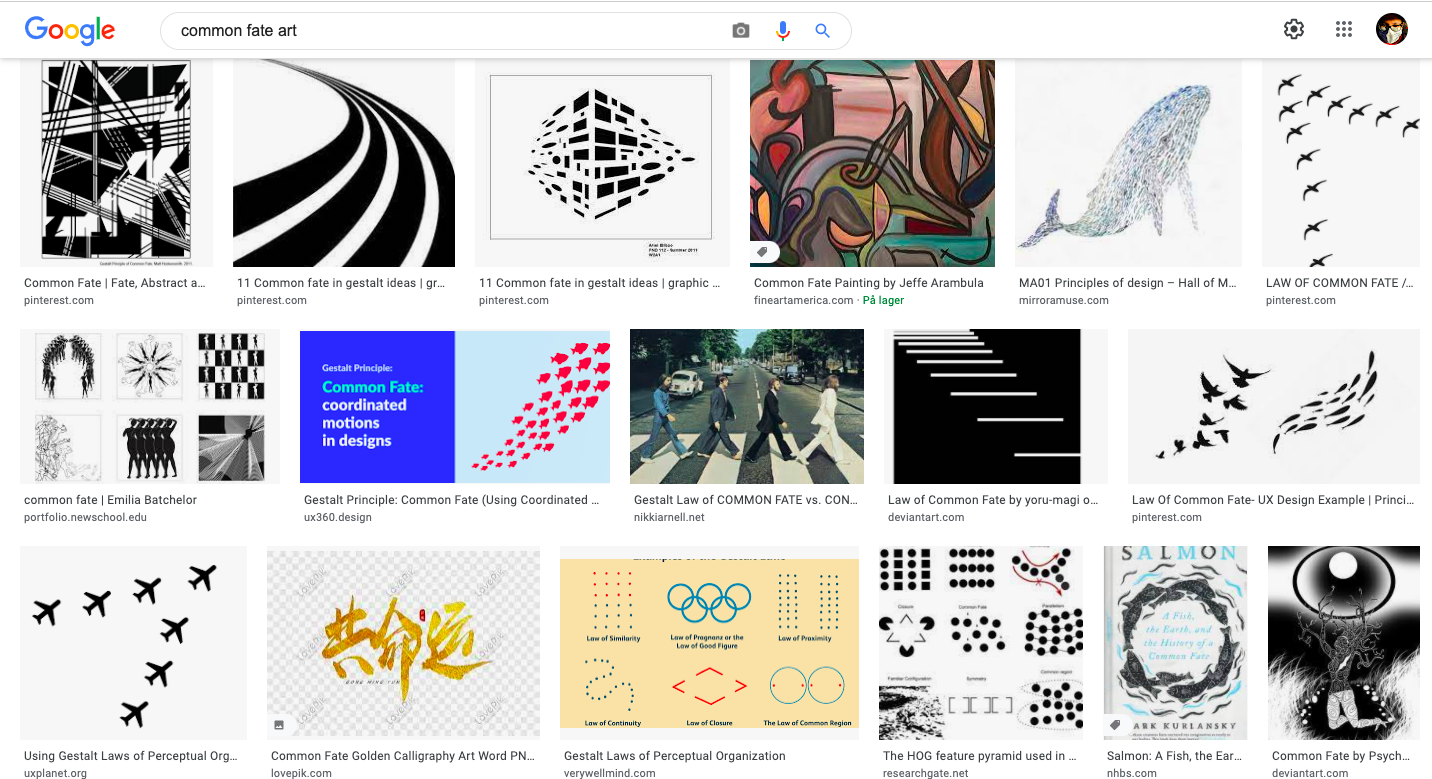

From left to right in the gallery above there is continuity, figure-ground, closure, proximity, similarity, symmetry, common fate, and prägnanz art that I found as the first search results on Google.
I think the simplest way to explain each thing is that continuity is that we just follow a line in a pattern, like doing donuts with a car. Figure-ground is having two images in one while still having it be 2D. Closure is allowing our minds to fill in the gaps, but the image should be pretty obvious if it is a logo. The World Wild Life has a panda and it is obvious that it is a panda even though it is not “complete”.
Proximity is that the shapes are like teens, they keep themselves to certain groups. Similarity is very… similar but that it is the similar shapes being close. The best example of my screenshots of this is of the Ace cards where the ace of spades symbol is separated from the rectangles.
Symmetry is what it says it is, having symmetry, like the wings of a butterfly. It is on the same on both sides of a common middle. Common fate is a cool way of saying that things are going in the same direction. Prägnanz art was a bit difficult to understand, but a website interaction-design.org described it as how our eyes can simplify complex shapes into simple ones, (https://www.interaction-design.org/literature/article/the-laws-of-figure-ground-praegnanz-closure-and-common-fate-gestalt-principles-3).
The principles I rather like are Continuity, Similarity, Symmetry, and Common fate. Can I draw all of them properly? No. But I will certainly try.

Symmetry 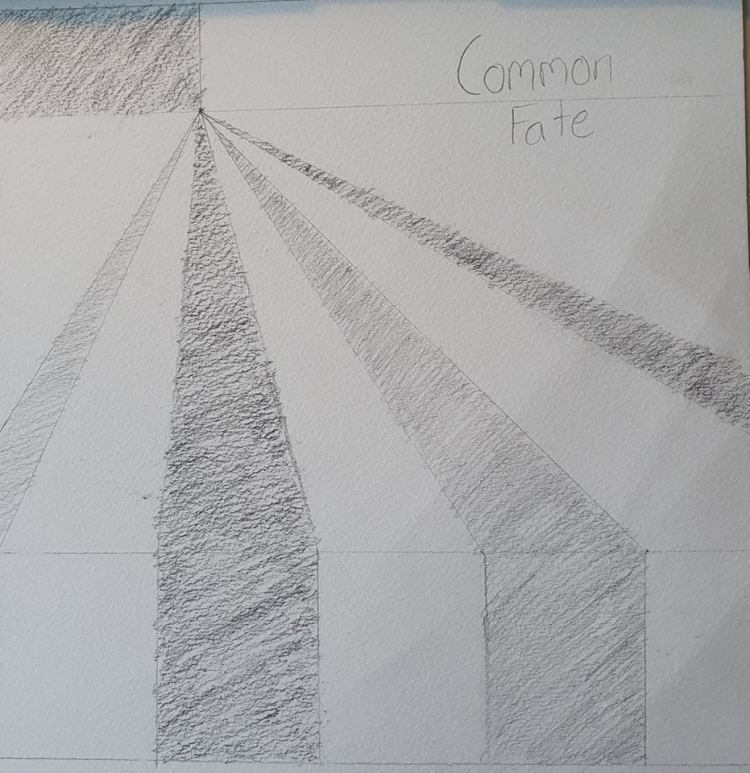
Common Fate 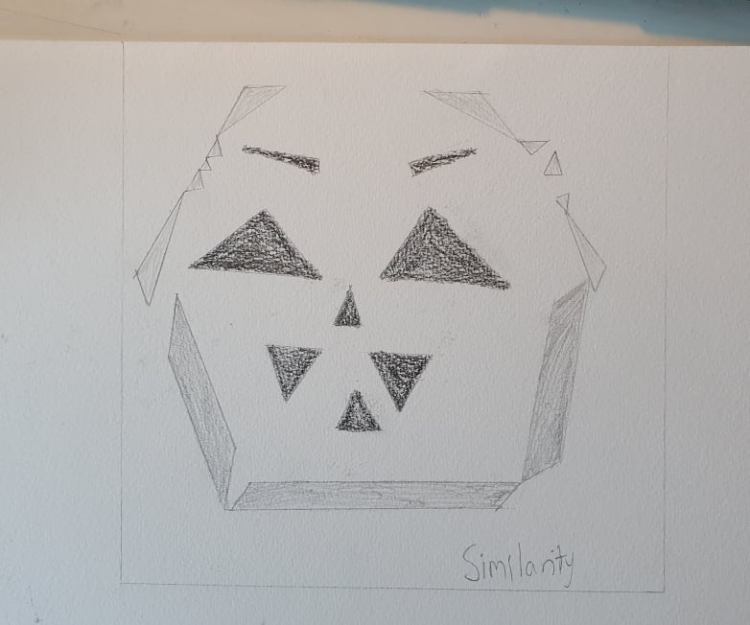
A sad attempt at Similarity 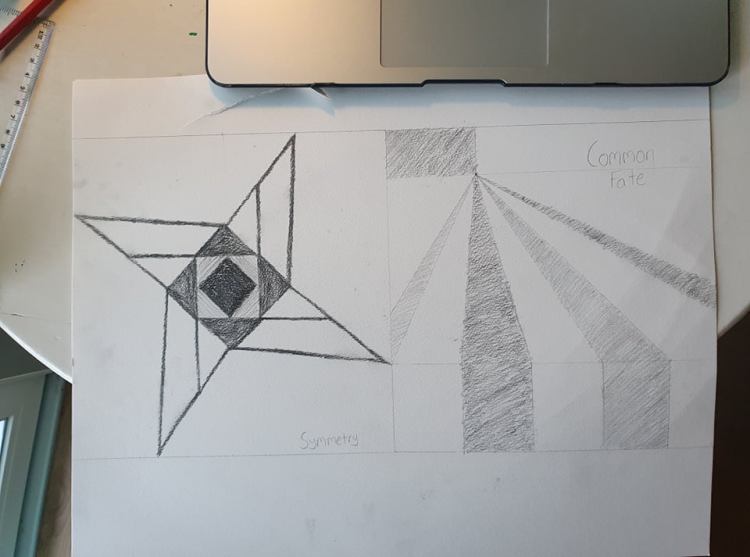
Look, they are in squares!
Symmetry drawing. Here I used the pencils F, 4B, 6B, and 8B, and tried my hardest not to make a modern swastika. For my Common Fate drawing, I used HB, the kind mostly used in a normal classroom. I also used B and H. My Similarity drawing was drawn using 4H, 2H, HB, and 5B.

 Yeisi Veronica